

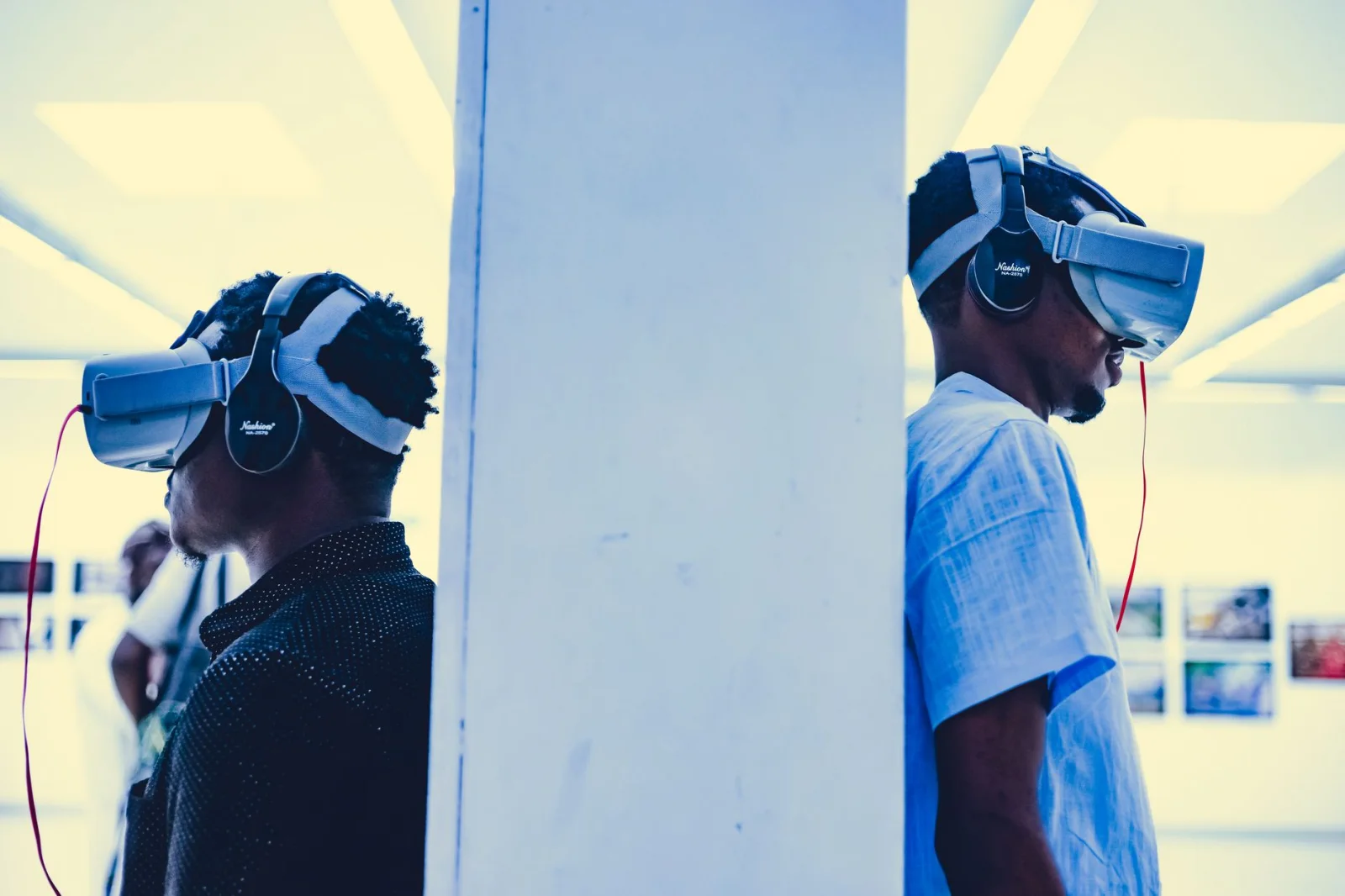
Two resources, two ways to get closer to art
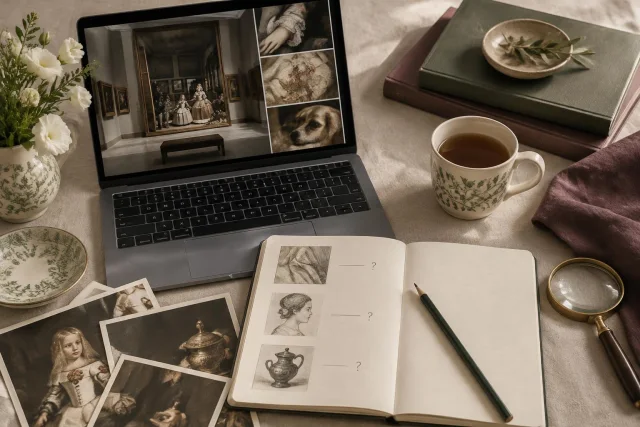
If you want to explore art from home, the useful question isn’t which resource is “better,” but what you want to do: linger over a work on your own or find an educational activity with a defined format and audience. The Prado Museum’s virtual tours let you explore its collection and a selection of exhibitions digitally; some works offer high-resolution details, and certain tours include audio. EducaThyssen brings together educational offerings of different kinds—tours, workshops, courses and resources—for a range of audiences. [2] [1]
The practical difference lies in where you begin. At the Prado, you can choose a work or itinerary and follow a question of your own. At EducaThyssen, you can search for an offering and consider whether its audience, format and conditions suit your needs. A virtual tour isn’t a reservation to enter the galleries; likewise, an activity appearing on an educational portal doesn’t confirm that it’s digital, open to everyone or still available.
It helps to separate two tasks: first, find the kind of experience you’re interested in; then, check the current information for the specific content or activity. That way, you won’t confuse a general category with a specific offering, and you can explore at your own pace without trying to take everything in.
The Prado: one work can be enough
The Prado’s virtual tours cover the collection and a selection of exhibitions. The option to enlarge details is available for some works, not necessarily all of them, and audio is included in certain tours. The experience lends itself to choosing one piece that sparks your curiosity, rather than treating the entire tour as a list to work through. [2]
You can approach the exploration as a flexible sequence:
- First look: Notice what draws your attention first, without trying to explain it right away.
- A closer look: If the feature is available, enlarge a specific detail: a fabric, a posture or a depicted object.
- Look it up: If you want to identify what you see or add context, look for the work’s page when available, and distinguish its information from your interpretation.
Editorial example: As you look at a figure’s clothing, you might wonder whether the fabric seems heavy or whether its color stands out in the composition. That impression can guide your observation, but it doesn’t by itself identify the material or explain its historical meaning. If the work’s page offers relevant information, you can include it as a fact; if not, the question can remain open. Looking closely doesn’t mean turning every impression into an expert conclusion.
There’s also an important distinction between a digital tour and an in-person visit. The order of online content doesn’t necessarily match the arrangement of works in the galleries, and their physical locations can change. The virtual tour is a way to explore digital content, but it can’t confirm where a work is now or help you plan to find it in person without an additional check. [2]
EducaThyssen: start with the audience and format
EducaThyssen organizes offerings for different audiences, including teachers and students, families, adults and social-action groups. Its program includes tours, workshops, courses and resources. This variety makes the intended audience and format useful starting points, but they can’t, by themselves, tell you how a specific activity unfolds. To find out how to take part, check its individual listing. [1]
A tour may suit someone looking for a guided activity; a workshop may appeal to someone seeking a creative experience; an initiative for an organization may require a different way to arrange participation than an individual booking. These are pointers for deciding which listing to check, not promises about the content, format or availability of a particular session.
Before making plans, check the current information for:
- The intended audience.
- Whether the format is a tour, workshop, course or resource.
- Whether it’s designed for an individual, a group or an organization.
- The registration steps listed and any stated conditions.
- The dates and availability currently shown.
- Whether there are any access needs you should discuss with the program.
Editorial example: If a description says an activity is designed for an organization, don’t assume that it accepts individual bookings. If the listing doesn’t clarify who can take part or how to request it, check the current program information before coordinating with others. Don’t carry dates or conditions from an earlier call over to another offering, either: each listing is the practical place to verify what’s available now.
Choose according to what you want to do
The most useful comparison doesn’t rank the resources from best to worst; it clarifies what kind of search each one supports. The Prado lets you focus on a work and follow your own curiosity. EducaThyssen lets you find and consider educational offerings based on their audience, format and conditions. The choice depends on your intention, not on a hierarchy between the options. [2] [1]
| If you’re looking for… | Start with… | Practical consideration |
|---|---|---|
| Time with a work and a chance to observe its details | The Prado’s virtual tours | Check whether that work or tour offers the enlargement or audio you’re interested in. |
| An organized educational offering | EducaThyssen | Check the intended audience, format, registration and current availability. |
| An activity for a group or organization | The relevant educational listing | Confirm that the offering allows that form of participation. |
| To follow up on a question that came up while looking at a work | The work’s page, when available | Separate what’s documented from what you interpret. |
The table points you toward a first search; it doesn’t guarantee that a feature will be available at any given time. If a work doesn’t offer the enlargement you expected, you can choose another or keep exploring it through its page. If an activity doesn’t suit the audience or conditions you need, look at another offering rather than assuming they all work the same way.
Observe without turning impressions into facts
You don’t need to know a work’s context in advance to ask useful questions. You can focus on what’s visible—a fabric, a posture, the relationship between a figure and an object—and keep three layers separate: what you observe, what you interpret and what you could verify in a museum source. This distinction lets you keep a personal reading without presenting it as a historical fact.
A brief note can be organized like this:
- What I see: A figure with a raised arm, or an object near the edge of the image.
- What I wonder: What purpose the object might serve, or why the posture feels expressive to me.
- What I can check: The information on the work’s page, if available.
Editorial example: “The fabric looks like silk to me” is an impression, not a documented identification. “The posture conveys tension to me” describes a personal response. To state what material it is, you need information that supports that identification. If the work’s page doesn’t resolve the question, you can leave it open rather than fill the gap with an assumption. An open-ended exploration can still feel complete.
This way of looking also helps you decide what to do with a question that doesn’t find an immediate answer. There’s no need to force a conclusion: you can note the question, move on to another detail or choose another work. Observation remains valuable even when it doesn’t lead to a definitive identification.
Save a clue for later
If you want to return to a work later, note its title and creator as they appear on its page, along with the question that made you pause. That reference preserves the thread of your exploration and helps you return to the piece or find another related to your interest. You don’t need to set a duration, prepare special equipment or turn the moment into a to-do list: the note only needs to be useful to you.
For an EducaThyssen offering, your note can serve a different purpose. Save the intended audience, format and any questions about registration, participation or access; then compare them with the current listing. Arriving with specific questions makes it easier to follow up, but a general description of the portal doesn’t replace the conditions for each activity. [1]
What to check before making plans
Before planning a digital exploration, check the Prado’s current page to confirm which tour or work is available and whether it includes the enlarged detail or audio you’re interested in. Before making plans around an EducaThyssen offering, check its specific listing to verify the audience, format, registration steps and current conditions. Offerings may change; a general description doesn’t, by itself, confirm availability, and conditions from another call shouldn’t be assumed to remain in effect. [2] [1]
Checklist
- Do I want to look at a work on my own, or take part in an organized activity?
- If I choose the Prado, does the work or tour offer the detail or audio I want to explore?
- If I choose EducaThyssen, is the offering intended for the audience and form of participation I need?
- Have I checked the current listing instead of assuming that a general offer confirms availability?
- Am I distinguishing my personal observations from documented facts?
- If I’m visiting the galleries, have I separately checked the work’s current location?
A simple choice, with clear expectations
If you’re looking for an independent exploration, start with a work or virtual tour and let a specific question guide your attention. If you’d prefer an organized educational activity, start with the audience and format, then check the conditions for the specific offering. In either case, you can choose only what suits your intention without turning the experience into an exhaustive tour.
The key is to keep the distinctions clear: exploring online isn’t the same as booking an in-person visit, and the presence of an offering on an educational portal doesn’t mean it’s always available. See what each resource offers, check the information that affects your plans, and leave impressions you can’t substantiate as questions. That way, a quiet moment of observation or an educational search can begin with realistic expectations and room for curiosity.