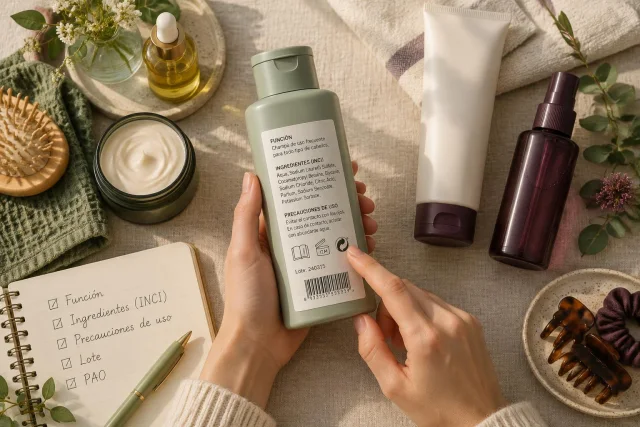




What an INCI name tells you
When an ingredient appears on a label or in a search database, the first question is often simple: what is it, and what is it used for? An INCI name can help identify a substance using a standardized designation for cosmetic labelling. In Europe, CosIng lets you search INCI names, identifiers and associated functions. But the search has limits: identification is not evaluation. The name alone does not reveal how much a formula contains, how it behaves in a particular product or whether that product will suit an individual.
The European database brings together current and historical information. It is therefore best to read an entry as a reference for nomenclature and functions, not as a complete conclusion about the current status of each ingredient. An entry appearing there does not mean that use is authorized or safety approved. [3]
What CosIng provides and how to read its functions
A search can provide three useful details:
- INCI name: helps you recognize the designation used in cosmetic labelling.
- Identifier: helps distinguish the entry you searched for from others with similar or related names.
- Function: describes a cosmetic use associated with the substance, such as a registered function category.
A function helps place an ingredient in a formula, but it does not automatically describe its effect in a finished cosmetic. If an entry is associated, for example, with a preservative function, that does not prove that a particular product is preserved effectively or let you infer its tolerability. It is a functional classification, not the result of testing the product.
It is also important not to treat a search as a complete regulatory review. A name appearing in CosIng does not, by itself, resolve which conditions, restrictions or evaluations may be relevant. The database helps identify and contextualize; questions about authorization or safety call for the applicable regulations and relevant assessment, rather than inferences from an isolated entry. [3]
Name, origin and certification are different questions
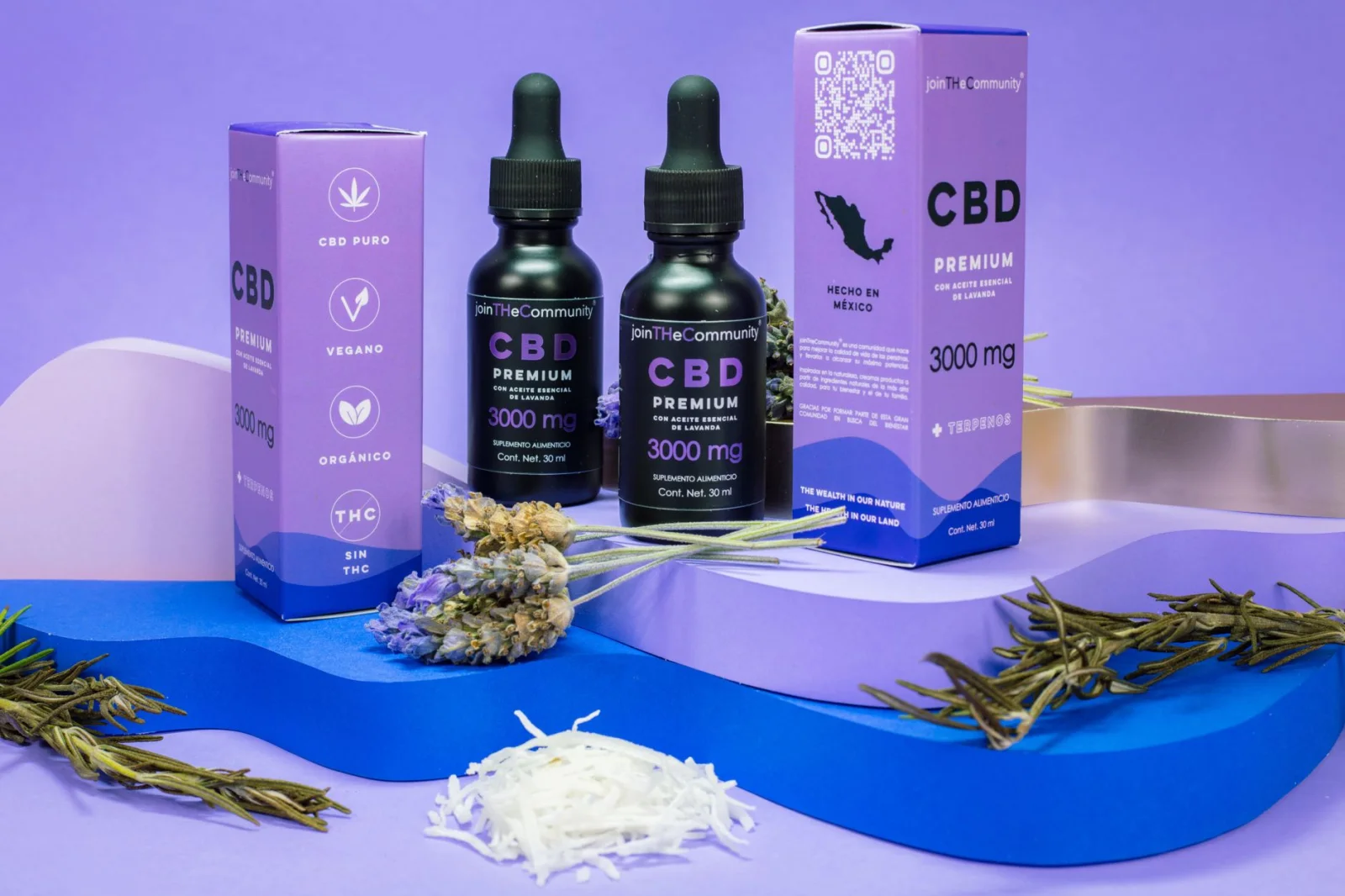
A label may include terms related to ingredients, production or certification. They do not answer the same question. An INCI name concerns cosmetic identification; a declaration such as organic refers to a claim about the origin or agricultural production of certain ingredients; a certification, where one exists, refers to a programme and its criteria.
In the U.S. context, information on organic cosmetics distinguishes the cosmetic product from the claim about agricultural ingredients and refers to the USDA’s NOP programme. It also distinguishes agricultural certifications from the obligations that apply to cosmetics. So “organic” is neither an INCI name nor a cosmetic function, and the word alone does not establish that a particular product is certified. [1]
This distinction helps avoid shortcuts when reading a label. If you want to know which substance is declared, examine the ingredient names. If you want to understand an origin claim, look up what it means in that market and which ingredients it applies to. If the question is whether certification was granted, you need to verify the programme and the scope of the certification: you cannot infer it from an ingredient name or a marketing description alone.
How to recognize parabens in U.S. documentation
U.S. documentation on parabens identifies a family of preservatives and includes the names methylparaben, ethylparaben, propylparaben and butylparaben. It also notes that they may be combined with one another or with other preservatives. Product categories mentioned include makeup, moisturizers, hair products and shaving products. [2]
In an ingredient list, recognizing one of these names lets you identify the declared ingredient. It does not let you conclude that all substances in the family are interchangeable or play the same role in every formula. Nor is it enough to determine the preservation performance or tolerability of a finished product. The family guides the search; the specific name matters.
A practical way to read the information is to separate three levels:
- Identity: what exact name appears?
- Documented function: what cosmetic role is associated with that ingredient?
- Conclusion about the product: what is known, with product-specific evidence, about the finished formula?
The first two levels can help organize a search. The third requires product information and suitable evidence; it cannot be inferred from an ingredient’s membership in a preservative family.
What changes when consulting the United States and Europe
The U.S. sources included here help explain two specific subjects: agricultural-origin claims linked to organic and the names of parabens alongside some cosmetic applications. CosIng, in turn, is a European reference for searching INCI names, identifiers and functions. These are distinct documentary scopes, not pieces that can be combined to create a single regulatory conclusion.
A U.S. page about a claim or ingredient family does not, by itself, establish how it is regulated in Europe. Likewise, a CosIng entry does not automatically verify a marketing claim made in the United States. When comparing, keep each fact within its jurisdiction: identify which source answers which question, and avoid transferring its conclusions to another market. [1] [2] [3]
A short route to a useful search
When reviewing an ingredient or a claim, follow this order:
- Copy the exact name. Do not substitute a molecule with the general name of its family.
- Clarify what you want to know. Identification, function, declared origin, certification and regulatory status are different questions.
- Use the right source. CosIng provides guidance on names, identifiers and functions; the U.S. information cited here concerns the use of the term organic and parabens in its own context.
- Keep the scope in view. An entry or information page does not prove the efficacy, tolerability or certification of a particular cosmetic.
- Do not extrapolate between markets. If the question is regulatory, check the relevant jurisdiction instead of assuming that U.S. information applies in Europe, or vice versa.
The value of a search lies in asking a more precise question, not in expecting one entry to provide an answer it does not contain. An INCI name can help you identify; a function can add context; a topic page can explain the scope of a claim or ingredient family. Keeping these pieces separate makes labels clearer to read, without attributing conclusions about safety, efficacy or regulation to a search that does not contain them.