




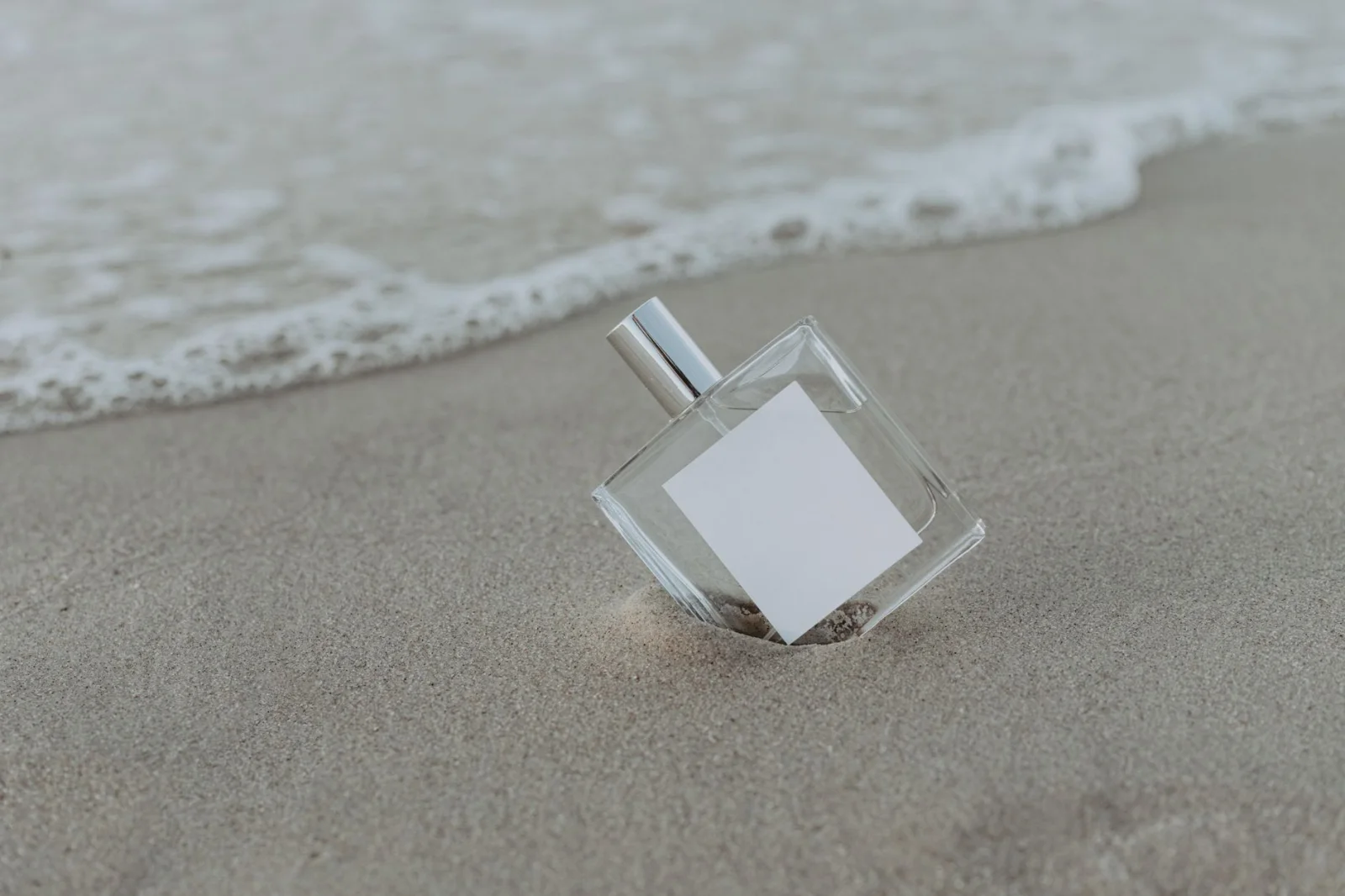
Before you go: confirm the refill conditions
Philosykos Eau de Toilette can be refilled in its original bottle at participating boutiques; the service is subject to availability. So it is best not to assume that every store offers it or that it will be operating on a particular date. The most useful step is to contact your chosen boutique before visiting and confirm that it can refill this fragrance at that time. [1]
When asking, identify the product and the type of bottle: the available information refers to the original bottle of this Eau de Toilette, not any bottle containing the same perfume. It is also worth confirming whether the bottle needs to be empty, whether there are conditions concerning its state, and how the service works. These practical details are not specified in the available information, so it is best to clarify them directly before arranging a visit.
The price should not be taken for granted either: the information consulted does not give a clearly specified price tied to a particular volume. Asking about the cost and the quantity to be refilled lets you compare the option with a new purchase without relying on assumed figures. Confirm the service, bottle and price separately: these are three different details, and the existence of the refill option does not automatically answer the other two.
What keeping the original bottle entails
The bottle matters because the stated refill option is specifically linked to the original. If you want to keep that possibility open, avoid discarding or replacing it before checking which container the boutique accepts. Keeping it does not guarantee that a refill will be available when you need one, but it does mean you will not have discarded in advance the container referred to in the offer.
Keep it with its identifying information and, if you still have the box, store it alongside the bottle. This makes it easier to confirm the product name and concentration and keeps the information accompanying the formula close at hand. Preserving the packaging does not mean turning it into a display piece: what matters more is that it remains identifiable, protected and available for future reference.
Storage: protect it from light and temperature changes
For this fragrance, the storage guidance is to keep the perfume protected from light and temperature fluctuations. A stable indoor place, away from a sunny window and sources of heat, is better suited to that guidance than an exposed shelf or a space with pronounced temperature changes. The recommendation does not specify a numerical temperature or promise a particular storage period; there is no need to invent one to put it into practice. [1]
It also helps to return the bottle to a protected spot after use instead of leaving it for long periods somewhere bright or warm. If the original box is still available, it can act as a barrier against light while the perfume is stored. The idea is simple: prioritise a stable, sheltered environment, without treating this recommendation as a guarantee of how any individual bottle will develop.
Which packaging information is worth keeping legible
Keeping the packaging—or at least not losing sight of the label—makes it easier to identify the product and consult its instructions. In Spain, cosmetic information includes relevant details such as the product’s function, ingredients, precautions, batch and stated duration. This is documentation for identifying and using the cosmetic; on its own, it does not prove a particular result from the formula. [2]
In practice, check that you can read the name and concentration—in this case, Eau de Toilette—and keep the batch, duration and precaution details on the packaging accessible. If you need to check the composition, prioritise the list printed on the product: lists can be updated, so a page consulted at another time does not necessarily replace what appears on your bottle. The specific bottle is the reference for its own labelled information.
The declared list for this version begins with alcohol denat., water and parfum, and includes hydroxycitronellal, linalool and limonene. These names identify components in the list; their presence alone does not demonstrate any particular efficacy or let you infer the perfume’s performance. It is best to read the composition as label information, not as a promise of longevity, intensity or an individual experience. [1]
Fragrance notes and composition: two kinds of information
The notes listed for Philosykos include fig leaf, fig milk and fig wood, as well as black pepper. They describe the perfume olfactorily; they are not an ingredients list. The inspiration of a summer on Mount Pelion also offers an evocative frame, but does not establish that the raw materials come from that place. Keeping these categories distinct helps you read both the fragrance description and the packaging information accurately. [1]
This distinction is useful when comparing a product description with its labelling: the notes offer guidance on the perfume’s communicated character, while the INCI lists ingredients. Neither, on its own, makes it possible to say how long the fragrance will last on skin or how it will behave on each person. The information consulted also does not record an independent assessment of this fragrance’s performance.
What can—and cannot—be concluded about a refill
The documented option is limited to this fragrance, its original bottle and participating boutiques where the service is available. It does not support generalising that other perfumes, other concentrations or bottles of different formats can be refilled. Nor does it establish universal conditions for all boutiques, a fixed price or a specific refill volume. For a practical decision, confirm these details with the point of sale before bringing in the bottle.
Refilling and storage are related but not equivalent: storing the perfume in a sheltered place remains relevant even if a refill is unavailable; and keeping the packaging does not guarantee that the service can be carried out. Nor can a refill be credited with improving the fragrance or its performance. The available information describes a service option and a storage recommendation, not the results of comparative tests.
A brief checklist before deciding
- Confirm with the participating boutique that Philosykos Eau de Toilette can be refilled on your planned date.
- Ask whether they accept your original bottle and what conditions it must meet.
- Check the price and refill quantity; do not assume they are defined simply because the service exists.
- Keep the perfume protected from light and temperature fluctuations.
- Keep the bottle’s name, concentration, batch, duration, precautions and ingredient information legible.
- Use the bottle’s label to check its composition, and do not extrapolate this option to other perfumes.
The decision becomes clearer when you separate what is confirmed from what remains to be checked: a conditional refill option is available for the original bottle at participating boutiques, and there are specific storage recommendations for this fragrance; local availability, operating conditions and price require confirmation. That way, you can keep the bottle for a practical reason and assess the refill without confusing a stated possibility with a universal service or a promise about the perfume’s performance.