




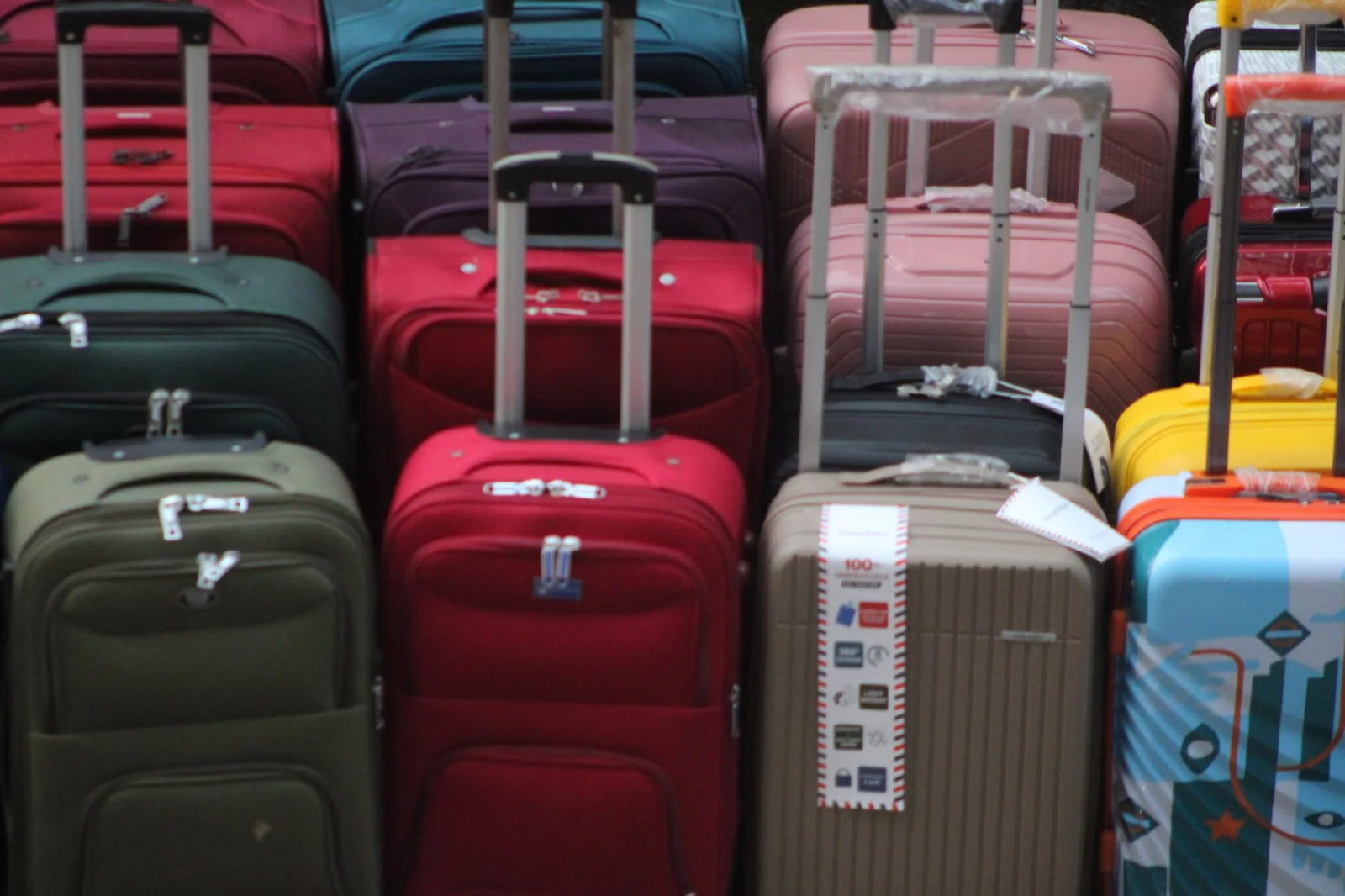
Two Different Decisions: What to Pack and What Your Journey Allows
Packing a cabin bag raises two questions that are best answered separately: what you need for this trip and what baggage your journey allows. The first depends on your plans, clothing and personal needs. The second depends on the airline’s and ticket’s current conditions, as well as airport rules that apply to certain items. A useful list helps you choose; on its own, it cannot confirm that a bag can travel in the cabin.
This distinction helps avoid two common mistakes: copying someone else’s list as if it were a universal measure, and assuming that any small suitcase meets the conditions of a particular flight. For people travelling from the EU, institutional information directs travellers to the airline for cabin baggage size and quantity limits, and to airport conditions for restricted items [1]. So first plan what to pack, then check how it can be carried.
Start with the Trip, Not a Number of Garments
Trip length matters, but it does not determine the contents on its own. A several-day trip with one main activity, stable weather and a realistic opportunity to do laundry may call for fewer changes of clothes than a shorter break involving meetings, outings and temperature changes. Before choosing garments, work out what you will do, what conditions to expect and what you will be able to manage during your stay.
One simple way to organise the decision is to write down each day or block of activities and match it with a possible outfit. There is no need to plan every detail if the trip is flexible; just identify the occasions that change what you need. For example, a day outdoors and a formal dinner will not necessarily call for the same clothes. If one garment works for both with a change of layer or accessories, it may be more useful than two pieces reserved for a single occasion.
Laundry matters too, but it should be a concrete possibility, not an optimistic assumption. Consider whether you will have the access and time to do it, and whether the garment can dry before you need it again. If you cannot rely on that window, plan as though laundry will not be available. Your personal list becomes more accurate when it reflects what you can actually do during the trip.
Build Outfits That Work Together
Rick Steves’ own list suggests mix-and-match garments, layers and a selection of personal items and optional accessories [2]. It is an example of a light-travel approach, not a fixed quantity that suits every person, destination or situation. The practical idea to take from it is to review the role each garment plays in your outfits, rather than adding pieces without considering how they work together.
Try the exercise with clothes you already own:
- Note your planned activities and the outfits that could cover them.
- Look for garments that work with more than one option, as long as they are comfortable and right for you.
- Separate layers that respond to temperature changes from those you would bring only just in case.
- Check whether your chosen footwear suits your planned activities; do not assume a second pair is unnecessary if the trip calls for a different function.
Not every colour or style needs to form a perfect capsule wardrobe. The principle is simpler: each piece should have a reasonable role in your actual plans, without turning versatility into an obligation. If a garment is necessary for comfort, access, work or personal preference, that need counts too. Travelling with less volume is not a moral virtue or an equally workable option for everyone.
Decide Which Extras Meet a Specific Need
Optional items are easier to assess when tied to an identifiable situation. An extra layer may make sense if you expect changes in temperature; a formal garment if there is an occasion that calls for one; a second pair of shoes if activities need different functions or the first pair is not suitable for all of them. The question is not whether the item appears on a popular list, but which need it will meet on this itinerary.
You can write a brief reason next to each addition: “I’ll use it for walking,” “I need it for work” or “I’ll bring it because I won’t be able to do laundry.” If you cannot find a specific reason, try removing the item and check whether any plan is left unaccounted for. This method does not guarantee a light bag, nor is that its aim: it helps you see which choices are connected to the trip and which come from the habit of packing an extra without considering it.
Some people need more room for equipment, accessibility items or work. An aesthetic rule that “less is better” does not resolve this. If a specific need changes the volume you expect to carry, include it in the plan from the start, then check which transport options apply to your ticket and airline.
Check Cabin Conditions Separately
The contents of a packing list do not tell you the permitted dimensions or number of items for a flight. Nor is it enough for a bag to be advertised as “cabin size”: check the specific bag against the conditions that apply to your journey. Information for travellers in the EU notes that cabin baggage size and quantity limits depend on the airline, while restricted items are subject to airport conditions [1].
Before you leave, check your airline’s current information and the conditions of your ticket. Verify the applicable size and quantity limits, and measure the bag you will actually take, including parts that may affect its dimensions. Do not apply a measurement you read for another airline, ticket or date. Institutional information points you towards where to check requirements, but it does not establish a universal allowance or replace the specific conditions of your journey.
For items subject to restrictions, check the relevant airport information and official guidance. Do not assume a rule applies to every airport or journey. If you are travelling with medication or other items subject to specific transport conditions, verify those conditions with relevant professional and official sources; this guide does not provide clinical advice or replace that check.
Finish with a Short Checklist
Once you have checked both what you need and the transport conditions, gather your documents, bookings and essential items in one place. The list can serve as a reminder, but not as proof of compliance: that requires checking your bag and ticket against the current conditions that apply.
- Trip plan: activities, expected weather and realistic laundry options.
- Clothing and footwear: possible outfits and the role of each additional item.
- Necessary items: work, accessibility, personal equipment and essentials.
- Transport: ticket conditions, airline limits and relevant airport rules.
- Final check: measure the bag and check important items before leaving.
After your trip, note what you used and what you missed. That review can help you adapt your own list next time without turning a particular experience into a rule for other trips. The right list is the one that meets your plans; whether your baggage meets cabin conditions must be confirmed separately for the specific journey.