




How to care for a garment without applying a one-size-fits-all formula
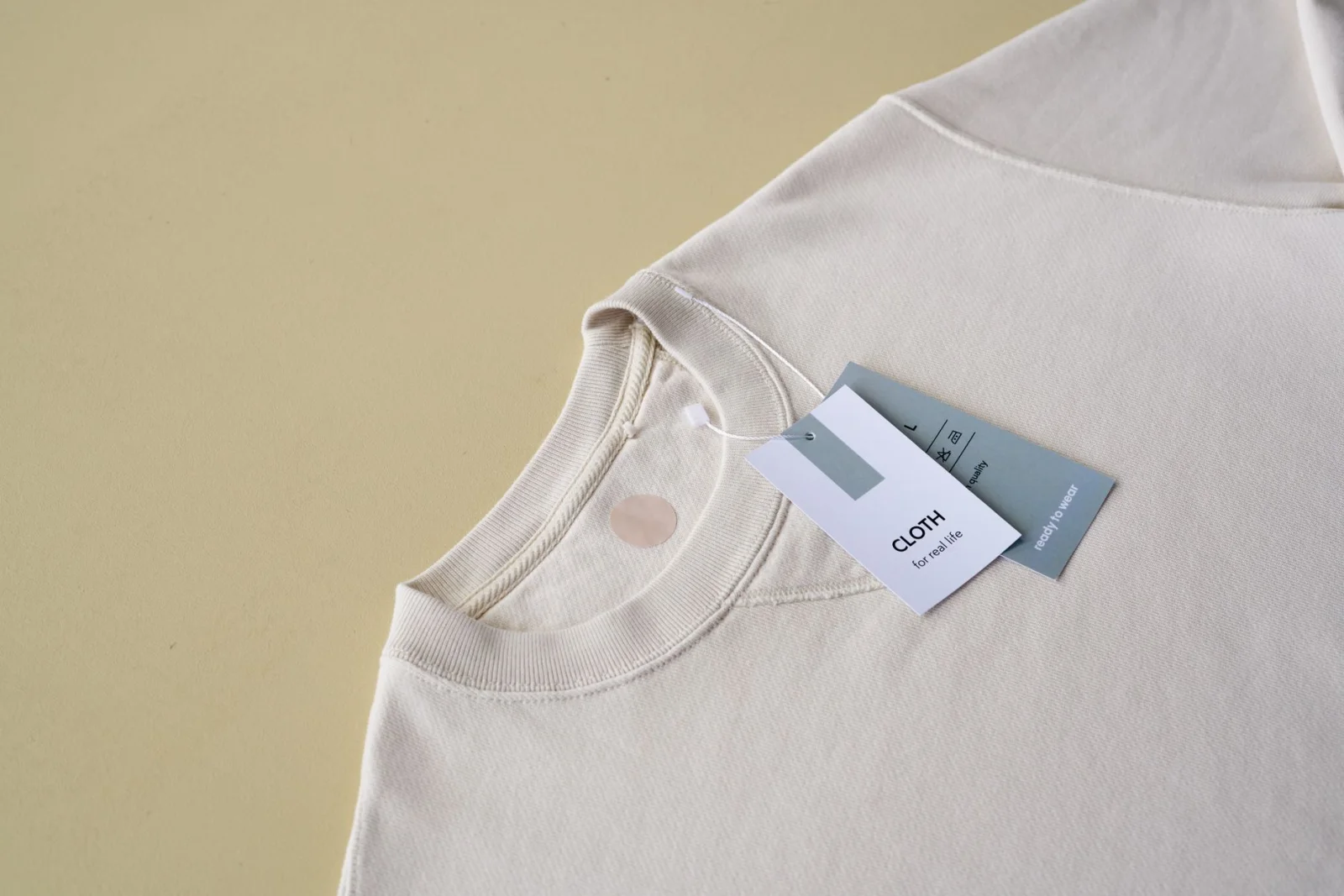
How do you decide what to do with a delicate garment while also thinking about how to keep wearing it? Start with that garment’s label: its symbols guide specific operations such as washing, bleaching, drying, ironing, or professional care. Then consider the fit, condition, and maintenance it needs. The label guides care; reviewing the garment helps you decide whether to keep wearing it. [1]
This distinction avoids two unhelpful shortcuts: treating all delicate garments the same way or inferring an entire plan from the name of a fiber. The instruction accompanying a specific item is more relevant than a general formula. And if the available information does not resolve the question, there is no need to turn uncertainty into an improvised certainty.
Care does not end when a garment is clean, either. Design guidance for extending clothing use includes clear instructions, fit adjustments, maintenance, and repair among the considerations for an item. These do not guarantee an outcome in every case; they offer criteria for looking beyond washing. [2]
Five symbol families, five decisions
Before choosing a method, identify the operation each family describes. You do not need to memorize every variation at once; it is more useful to recognize the question each group answers and check the limits indicated for the garment.
- Washing: guides how to proceed with this operation and what limits appear on the label.
- Bleaching: refers to a decision distinct from washing. The fact that a garment can be washed does not, by itself, tell you what bleaching treatment it allows.
- Drying: indicates guidance for this stage. It is best not to assume that every way of drying is equivalent to the one indicated.
- Ironing: guides this operation and its limits. A garment’s appearance does not replace what its label shows.
- Professional care: identifies guidance for this type of care. If it appears, it deserves to be read on its own; it is not replaced by an assumption based only on the fiber.
The practical key is to separate operations that are often confused. “Delicate” describes a general concern, but it does not, by itself, answer how to approach each stage. First identify the operation; then read the limit that accompanies it. [1]
Read the label on the garment in front of you
A general guide helps you understand the system of symbols, but it does not take the place of each garment’s label. The difference matters: a guide helps identify families and marks, while the specific label guides the decision for that item. An instruction valid for one garment does not automatically become a rule for the entire wardrobe.
When checking a label, ask yourself:
- What operation does it describe? Distinguish between washing, bleaching, drying, ironing, and professional care.
- What limits appear? Do not focus only on the symbol’s general form if the label adds a restriction.
- Does it apply to this item? Make sure you are reading the instructions for the garment you are caring for, not another item or a rule you remember only approximately.
Editorial example: when preparing several garments for care, do not automatically group them under a single interpretation of “delicate.” Check each label separately. If one indicates professional care and another gives different instructions, the information on the second does not change the first. A general guide helps decipher the language; the decision starts with each garment’s label. [1]
This way of reading also helps prevent a fiber name from becoming a complete formula. The care plan is not inferred from a mental label that says “this fiber is always treated this way”: it starts with the information available for the specific garment. If a symbol is unclear or relevant information is missing, it is better to acknowledge what cannot be resolved with confidence than to invent an instruction.
Design influences how a garment stays in use
Cleaning is one part of care, not the only question about an item’s practical life. Design guidance aimed at extending clothing use considers clear instructions, fit, maintenance, and repair. These aspects help organize a review, but they do not promise that an alteration will be viable or that a particular garment will remain in use. [2]
Start with fit: does the garment still work for the person wearing it? If it is no longer comfortable or suitable, it may be worth considering an adjustment, provided one is viable for that item. Not every design allows every change; the question helps assess the options before storing a garment indefinitely or discarding it without examining it.
Then distinguish maintenance from modifications. The label is a recurring reference for care operations and helps prevent a general or half-remembered instruction from replacing the one for the item. A periodic check can help you notice an issue worth addressing before wearing it again; it does not, by itself, determine the solution.
Finally, consider repair. Ask whether there is specific damage, whether it seems possible to fix, and whether a repair would restore the garment’s usefulness. The answer depends on the construction, the damage, and whether the intervention is feasible. Considering repair does not mean claiming that every item can be repaired: it allows you to decide after examining the problem, not before.
Compare the decision you need to make
When several questions become entangled, it can help to separate them by purpose. The table does not prescribe a care method; it organizes what to look at and which information is relevant to each decision.
| Decision | What to check | Point of reference |
|---|---|---|
| Care for an operation | Whether it involves washing, bleaching, drying, ironing, or professional care, and what limits appear | The garment’s label and the reading of its symbols |
| Fit | Whether the item still works for the person wearing it and whether a change seems viable | The garment and the alteration being considered |
| Maintenance | What care the item needs while in use | The instructions shown on the label |
| Repair | What damage it has, whether it might be fixed, and whether a repair would restore its usefulness | The item’s condition and construction, without assuming a repair is possible |
The comparison matters because one answer does not replace another. Deciding that a fit adjustment might work does not resolve a washing question; reading the symbols correctly does not determine whether damage merits repair. Keeping the questions separate makes the next step clearer.
Review the garment before taking action
This routine helps organize the decision without turning it into an identical rule for the entire wardrobe:
- Locate the garment’s label. Check which symbol families appear and read their limits.
- Define the operation at hand. Decide whether the question concerns washing, bleaching, drying, ironing, or professional care.
- Look at condition and use. Identify whether the main issue is care, fit, maintenance, or damage.
- Consider continued use. If the fit no longer works, consider whether an adjustment is viable; if there is damage, assess whether a repair could restore usefulness.
- Choose the next step based on the information available. Follow the relevant instruction and avoid using one observation to answer different questions.
Editorial example: imagine a garment that remains in storage because it no longer fits as it used to. First identify whether fit is the main obstacle and consider whether an adjustment might be viable. If it also needs cleaning, return to its label and check the symbols for the relevant operations. Reviewing fit and care can be part of the same plan, but neither replaces the other.
Editorial example: with localized damage, the first question does not have to be whether the garment should be discarded. Look at the problem and consider whether a repair seems reasonable for that item. If it needs care, check its label as well. Addressing the specific problem without forgetting subsequent care offers a more useful approach than assuming one intervention will solve everything.
Checklist before storing or caring for a garment
- I have checked this garment’s label, not a general guideline.
- I have identified the specific operation: washing, bleaching, drying, ironing, or professional care.
- I have considered the limits indicated for that operation.
- I have separated the care decision from any question about fit or repair.
- I have considered whether maintenance, an adjustment, or a repair could help the item stay in use.
- If the available information does not resolve a question, I have not replaced it with an improvised certainty.
A realistic plan for keeping what you wear
To organize garment care, bring together three decisions: what its label indicates, what fit or design condition influences its use, and whether maintenance or repair is worth considering. The first is based on specific symbols; the others depend on the item’s condition and real possibilities.
There is no identical formula for all delicate garments, nor any guarantee that keeping an item will produce a particular environmental outcome. The practical scope is more precise: follow the garment’s instructions and assess whether its fit, maintenance, or repair make it possible to consider keeping it useful. Each item may call for a different combination of decisions. [1] [2]
The best strategy is not to memorize a universal instruction, but to return to the specific item whenever a decision arises. The label guides care; reviewing the design and use completes the plan.