



The useful question: what would make it easier to keep wearing this garment?
When a garment stops coming out of the wardrobe, the practical question is not only how long it has been there, but what makes it difficult to wear now. Perhaps its care instructions are unclear, the fit feels uncomfortable or a repair is pending. The way you need to use it may also have changed. Each situation points to a different decision.
Design guidance for extending clothing use considers factors such as understandable instructions, adaptable fit, maintenance and repair. These are useful criteria for reviewing a piece, not a promise that an alteration will work or a measure of the impact of an individual decision. [2]
A useful review starts by describing the obstacle without rushing to decide the garment’s fate. A loose button may need simple attention; an uncomfortable waistband raises a fit question; an unclear label calls for specific information. Naming the problem before taking action helps distinguish what is known from what still needs to be found out.
Design and care: instructions that help you decide
Care instructions are a piece of practical information: they help you understand how to look after a garment. When reviewing them, check whether you can find the guidance and understand what it says. If information is missing or a recommendation is unclear, do not turn an assumption about the fabric or construction into a care instruction.
The useful question is not whether a label contains every imaginable detail, but whether the available information allows you to take the next step on a sound basis. If not, note what remains unclear and seek guidance specific to that piece. Keeping that uncertainty visible is more useful than adopting a generic routine that may not apply.
Design can also take into account the possibility of adjusting the fit, carrying out maintenance or making repairs. These features serve as points to consider: they invite you to examine the garment and its options, but do not by themselves establish whether a particular seam can be repaired or what the result will be. A general guideline helps direct your attention; the construction and condition of the actual piece determine what can be assessed in each case.
Fit: distinguish body measurements from garment measurements
“It doesn’t fit me well” can describe different situations: one area is tight, another has excess room, the length does not work or the silhouette is not what you want. To work out what to look into, pinpoint the problem and notice whether it appears in a particular situation, such as sitting or moving. There is no need to immediately translate that discomfort into a specific alteration.
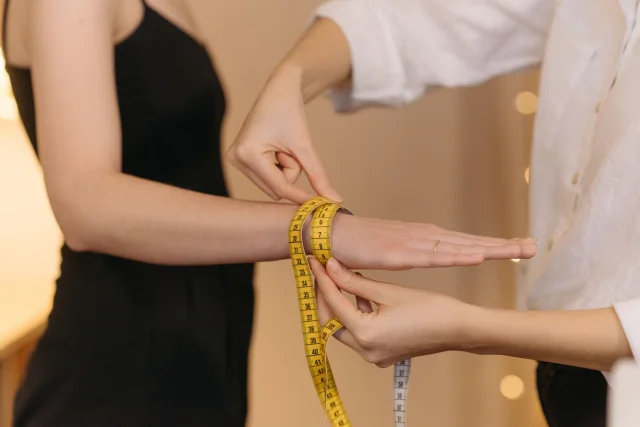
It is also useful to distinguish body measurements from the measurements of the finished garment. Ease expresses the relationship between the two; a measurement taken on clothing is not automatically equivalent to a body circumference. Identifying what is being measured makes it easier to read the information carefully and compare garments without mixing up points of reference. [1]
That is why a single figure does not necessarily describe how a garment will fit when worn. If it is the width of a flat garment, it should not simply be interpreted as the body’s circumference. Note what the measurement represents, where it was taken and what method was used. When those details are unavailable, the comparison has limits: it may suggest a question, but it cannot offer a precise conclusion about fit.
Compare with a garment you already know
A garment that feels comfortable can serve as a personal reference. The comparison does not replace a universal size chart or predict exactly how another piece will fit: it helps describe differences when the measurements refer to the same area and were taken in the same way.
- Choose a useful reference. Find a garment whose fit you know and whose relevant area you can compare with the one in question.
- Clarify what each measurement represents. Distinguish between a body measurement, a finished-garment measurement and a dimension taken flat.
- Compare like with like. Use the same area and method; do not compare a flat width with a circumference as if they were the same kind of measurement.
- Treat the result as a clue. A difference can help describe the problem, but it does not prove that an alteration is possible or worthwhile.
Editorial example: if a skirt feels uncomfortable at the waist, you can compare it with another skirt that feels comfortable and describe how the measurements in that area differ. That does not allow you to conclude that the first skirt can be made wider: the garment’s construction and the change you want still need to be assessed. The comparison can help you frame a question more clearly or decide what information to seek; it cannot promise a result.
Repair, alteration or no intervention?
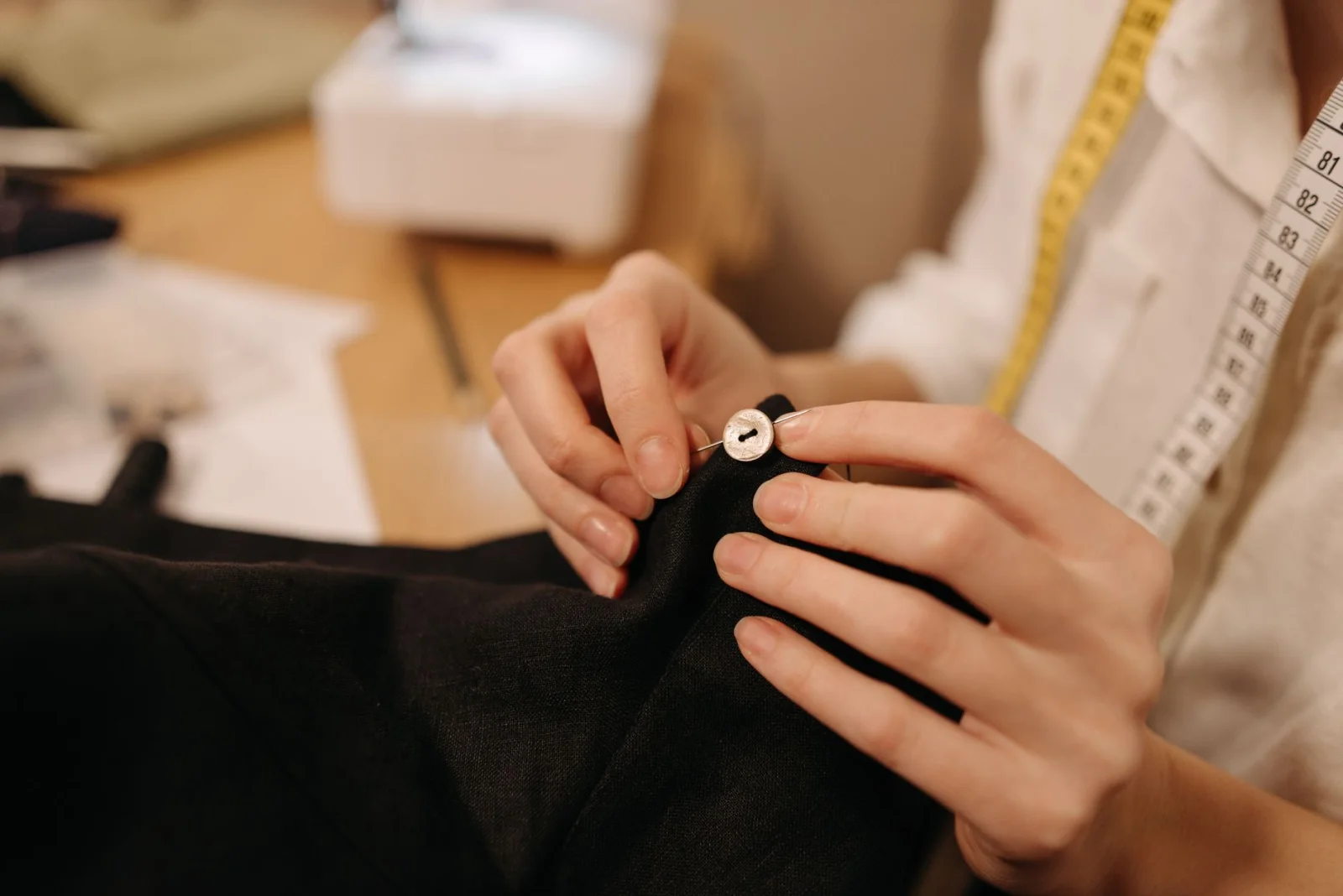
A fault and a fit problem are not the same thing. A button that comes off, a failing fastener or a loose hem points to a maintenance or repair need. A tight waistband or a length that does not work raises a fit question. More than one issue may be present, but distinguishing them makes it easier to explain what you want to resolve.
Before asking for a repair or alteration, be specific about the difficulty and the change you want. “I want it to fit better” does not identify a solution; “I want the waistband to feel more comfortable when I sit down” describes an area and a situation. That precision helps you assess the options without assuming that any change is possible.
Design guidance includes repair and fit adjustment among the factors that may support extended use, but it does not establish the outcome of a particular intervention. [2] If you do not know whether the garment can be altered, a prudent option is to explain the problem and ask before making changes. The decision depends on the piece and the wearer’s aim, not just on general guidance.
Review your wardrobe without assigning every piece a fate
A personal review can help identify garments that might return to rotation if a specific need is addressed. There is no need to apply the same rule to everything. You can simply sort pieces into those you wear, those needing maintenance and those whose usefulness you are still considering.
For each garment set aside, write down a specific action: check the instructions, assess the fit, repair a seam or decide whether it still suits your current use. If you cannot identify a clear next step, leave the decision open. A review helps clarify what is happening and what information is missing; it does not require you to resolve everything at once.
Editorial example: a jacket put away because it has a loose button can be noted as “check the button and decide whether to repair it”. If the reason is that it no longer feels comfortable across the shoulders, the task is different: describe the area and assess what options are available. These small notes help avoid confusing a pending repair with a fit question.
General design guidance does not establish a universal fate for garments that are no longer worn, nor does it validate a particular wardrobe-organisation method. It also cannot support attributing a specific environmental saving to an individual decision. [2] A review can help you make a more informed decision without turning it into an obligation to keep or repair every piece.
Checklist for choosing the next step
- What makes it difficult to wear? Identify whether the issue is unclear care guidance, fit, a pending repair or a change in your needs.
- What care information do you have? Find the available instructions and flag anything you do not understand instead of replacing it with an assumption.
- Are the measurements comparable? Check that they refer to the same area and the same type of measurement.
- What change are you looking for? Describe what would make it easier to wear the garment again, without assuming it can be achieved.
- What still needs to be found out? Identify any outstanding information about the piece or the intervention before deciding.
- Does the decision reflect your current use? Distinguish between a solution you want to explore and an obligation you do not need to impose on yourself.
What general guidance can offer
Design criteria help you review specific questions: clarity of instructions, possibilities for adjustment, maintenance and repair. A measurement comparison can help you describe a difference when the type of measurement and the method are identified. None of these elements guarantees the result for a particular garment.
The most useful guidance turns a vague impression into a specific question: What is not working? What information do I have? What change am I looking for, and what do I need to find out first? Sometimes the answer will be to address maintenance; at other times, to explore a fit adjustment or leave the decision open. Reviewing does not mean repairing everything or keeping every garment. It means carefully distinguishing, with the actual piece in mind, between what might be resolved, what needs more information and what no longer meets the wearer’s needs.