



Looking at the surface: a clue, not a complete explanation
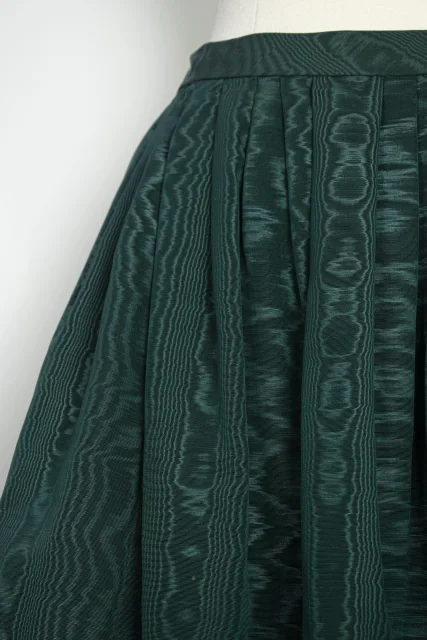
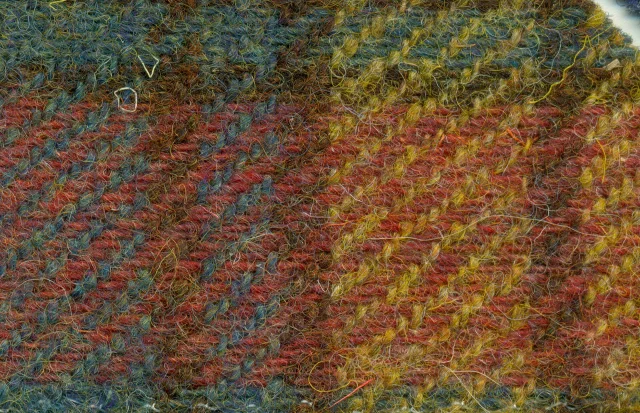
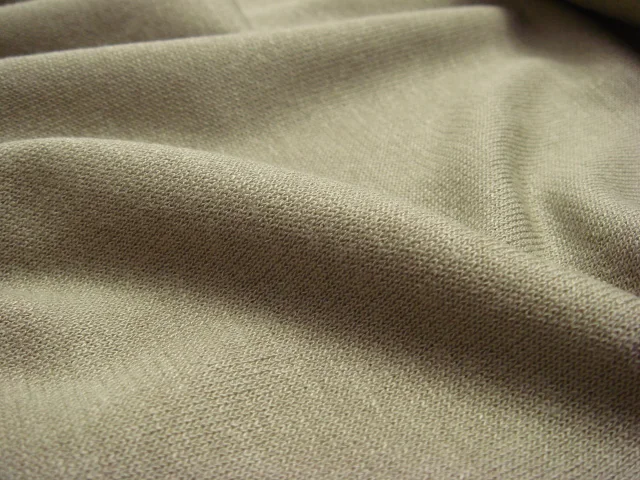
A raised texture, a repeated motif or a shiny area can catch the eye before we know anything else about a garment. It is tempting to turn that first impression into a conclusion: to assign it a material, assume how it was made or imagine how it will hold up to wear. But describing what is visible is not the same as identifying what produced it. Looking closely helps you ask better questions; it does not fill in missing information with certainty.
The Victoria and Albert Museum’s (V&A) textile collection brings together objects and documentation about fabrics, prints, embroidery, lace, tapestries and rugs. These examples offer a way to explore different ways of constructing and decorating surfaces. An essay on Indian textiles also discusses materials and techniques through documented objects, distinguishing, among other processes, weaving, embroidery, printing and dyeing. Together, these resources provide context about textile diversity; neither turns an image of a contemporary garment into an automatic identification of its material or method ([1]; [2]).
To make an informed choice, it helps to separate three layers: material, structure and pattern or decoration. They can be related, but they do not mean the same thing. A label or product description may state the composition; an image may show a motif; a technical description may explain how an object was constructed or decorated. If one of these sources does not provide a detail, appearance cannot always make up for it.
Material, structure and pattern: three different questions
Material answers what a garment is made of, if that information is available. A composition stated on a label is different from a visual impression. “The surface has a sheen” describes what you can see; it does not by itself confirm a particular fiber. Similarly, a tactile impression can be noted as your own perception if you have actually touched the garment, but that does not make it a general property of all garments that look similar.
Structure refers to how textile elements are arranged. Pattern is the motif or visual effect we perceive. It may relate to the structure or be added through a decorative technique, but a motif’s appearance is not necessarily enough to tell how it was created. Documented objects offer useful context for understanding different techniques; they do not authorize you to extrapolate an identification to any piece with a similar appearance ([2]).
In everyday observation, you can describe “lines,” “flowers,” “ornamented borders,” “transparency” or “raised texture” when those features are visible. These are descriptions, not technical terms. If you cannot clearly tell whether something is woven, printed or applied, the most accurate thing to do is note the uncertainty.
This distinction also prevents you from mixing information from different sources. A product description may state the material but not explain the structure; a photograph may show the decoration but not indicate care instructions; a label may give instructions without explaining how the pattern was produced. Each statement needs its own basis: observation, documentation or personal preference.
What museums offer—and what not to extrapolate
A documented collection lets you explore specific objects and the explanations available about them. One collection spans fabrics, prints, embroidery, lace, tapestries and rugs. This variety can help broaden your visual vocabulary and show that a textile surface can result from different techniques ([1]). Further context comes from documented objects in an essay on the production and exchange of Indian textiles, with descriptions of materials and processes ([2]).
These sources are useful for what they document about their objects and topics, not because they work as universal guides to identifying any contemporary garment. A museum example does not prove that all pieces with the same name share the same composition, construction or finish. Nor does it let you automatically infer quality, price or durability: those conclusions do not necessarily follow from a surface’s appearance.
When consulting a product description, it helps to ask specific questions: Does it identify the material? Does it name a technique? Does the image show the pattern or raised texture? What information is missing? If the answer is not in the available documentation, it is fine to leave the question open. Recognizing that limit is more useful than turning a visual resemblance into a fact.
A simple method for separating observation from documentation
This method is an editorial note-taking suggestion, not a quality test or a procedure attributed to any museum. It can be useful when comparing garments in a shop or reviewing an online product description.
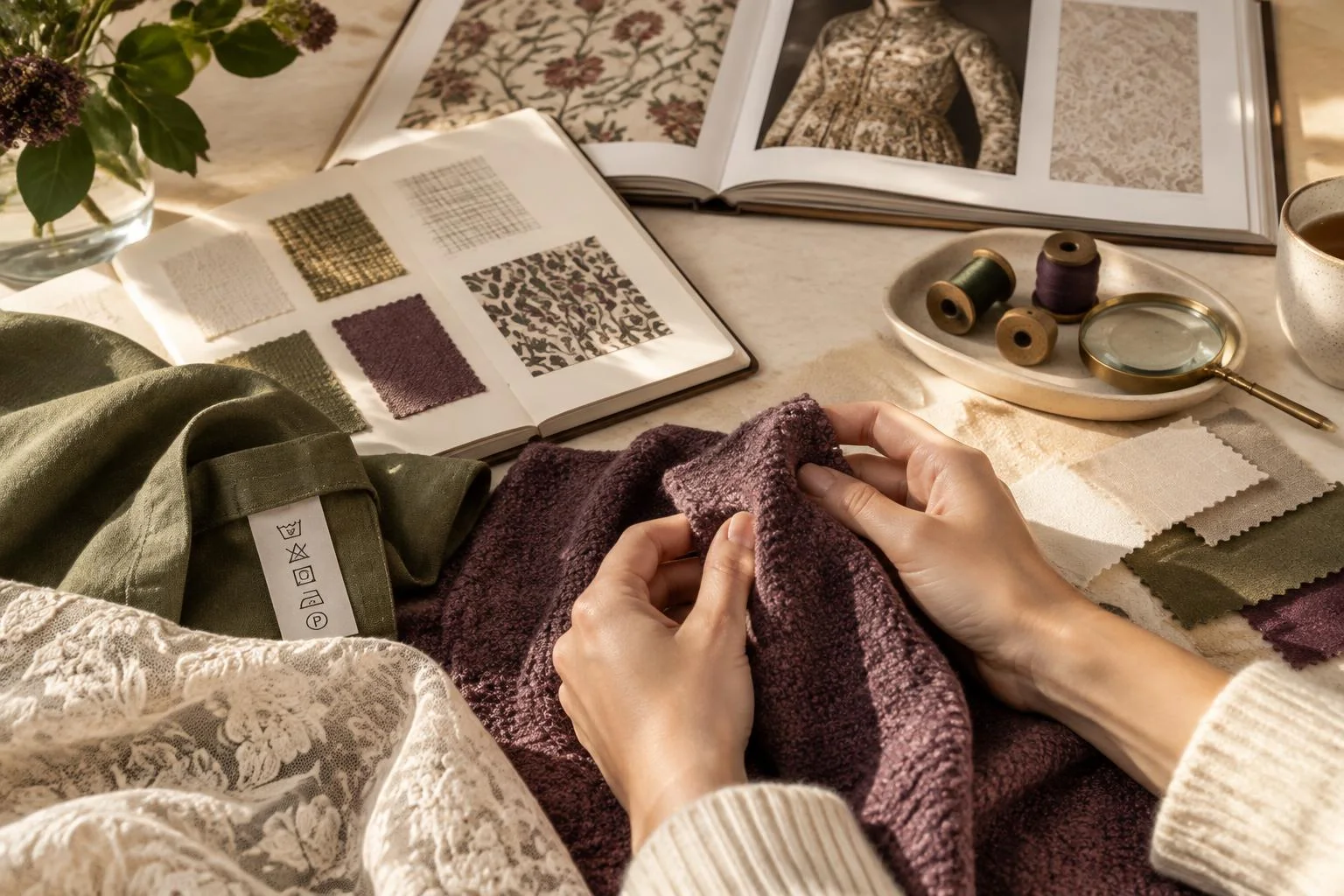
- First, note what is visible: color, motif, raised texture, transparency or decoration.
- Then separate out what the label or product description states, if you have that information.
- Record how it feels only if you have touched the garment, and as your own impression.
- Write down what you cannot confirm and what you would like to find out.
- Keep your preferences on a separate line: what appeals to you or what you would not choose.
Editorial example: Looking at a blouse with visible flowers, you could note “repeated floral motif.” If there is no technical information, you do not need to decide whether the pattern was printed or produced another way. If the product description states a composition, transcribe it as information from the description, without inferring a particular technique from it.
On a garment with raised areas, you can describe “noticeable raised texture” if you have seen or touched it. That does not prove how it was formed, what material it is made of or how it will respond to wear. The point of the note is to keep clear what you observed and what remains undocumented.
Comparing two garments without turning an impression into a verdict
The following exercise is also editorial: it does not establish a ranking, simulate a durability test or claim that its steps come from any museum. The goal is to compare information and preferences, not to decide which garment is objectively superior.
- Choose two garments you can observe, or two product descriptions you can consult.
- Describe each surface using specific, cautious visual terms.
- Check what each label or product description says about composition and care, if it provides that information.
- Separately note what you like and what information is missing.
- Compare only the aspects you have been able to observe or document.
Editorial example: One garment may have a print that appeals to you and a product description with composition details; another may have a raised texture that interests you but offer less information. You can prefer either one based on its appearance while noting that the first garment’s technique or the second garment’s composition has not been confirmed. The comparison remains useful without pretending to resolve what the available information does not say.
| Aspect | What you can observe or note | What to look for in the documentation | What to leave open if information is missing |
|---|---|---|---|
| Material | Appearance; your own tactile impression, only if you have touched it | Composition stated on the label or in the product description | What appearance alone cannot confirm |
| Structure | Visible arrangement, if it can be clearly distinguished | Technical description referring to that particular piece | The undocumented construction method |
| Pattern or decoration | Motif, color, decoration, raised texture or transparency | A technique explicitly named | How the effect was produced, if this is not explained |
| Care | No care advice should be inferred from appearance alone | Instructions stated on the label or in the product description | Recommendations that are not available |
| Preference | What appeals to you or what impression it gives you | No documentary confirmation needed: it is your taste | Whether that preference would change in another context |
The table does not rank garments by quality. Its purpose is to help you compare like with like: stated details with stated details, visible features with visible features, and preference with preference.
Practical questions to ask before choosing
A texture becomes relevant when it connects with something you are looking for. You can ask yourself whether you are drawn to the color, pattern, raised texture, transparency or a simple surface. You do not need to justify that taste with a technical explanation. Saying “I like this detail” is a sufficient personal reason to keep considering a garment.
Next, identify what information you need to decide. If the composition or care instructions matter to you, check the label or product description. If you cannot find those details, you can ask the person selling the garment, while knowing the answer may not be available. Asking does not guarantee a solution; it helps you recognize what is missing to make the decision with the information you want.
Editorial example: If you are drawn to an embroidered detail, separate “I like this detail” from “I want to know what the product description says about composition and care.” The first sentence expresses a preference; the second identifies something to check in the documentation. Neither requires you to conclude that the embroidery is better or worse than another finish.
You can also decide that the visible appearance is enough for your preference, as long as you do not confuse that choice with a claim about unverified properties. The aim is not to demand a complete product description for every preference, but to know what kind of decision you are making: aesthetic, informed by a label, or awaiting clarification.
What a photograph cannot resolve
Shopping online lets you see an image and read the published information, but it is not the same as touching, trying on or wearing a garment. An image may show visible features; it cannot, on its own, establish how the garment will feel against your body or respond during wear. Museum resources offer ways to study collections and documented objects, but they do not replace physically examining a specific garment or prove the properties of other similar-looking pieces ([1]; [2]).
The distinction between personal experience and generalization matters even when a garment is right in front of you. “This surface feels soft to me when I touch it” describes a personal impression. “All garments with this pattern are soft” would be a much broader claim that a single observation cannot support. If you have only seen a photograph, talk about what the image shows, not about a tactile sensation.
For the same reason, a technique, motif or finish does not by itself determine a garment’s quality, price or durability. Assessing those aspects would require relevant information that may not appear in an image or a superficial description. This limit does not make observation useless: it focuses it on what it can contribute, such as describing, comparing and generating questions.
Checklist for looking more carefully
- First describe what is visible: motif, color, raised texture, transparency or decoration.
- Distinguish material, structure and pattern; do not use them as synonyms.
- Separate visual observation from what a label or product description states.
- Present touch as your own impression only if you have touched the garment.
- Look for composition and care instructions if those details affect your decision.
- Note what you cannot confirm instead of inferring it from appearance.
- Ask specific questions when you want to clarify missing information.
- Keep personal preferences separate from statements about the garment.
- Do not turn a technique or finish into a universal conclusion about quality, price or durability.
Choose with curiosity, without filling in the blanks
A texture can be the start of closer observation: a motif invites you to describe the pattern, embroidery prompts questions about what information accompanies the piece, and a raised texture helps distinguish appearance from technique. Labels and product descriptions can offer other details, such as the stated composition or care instructions. Looking at each source separately makes it easier to understand what you know and where that knowledge comes from.
Documented museum collections provide context for exploring textiles and techniques through published objects and materials. For an everyday decision, the method can be more modest: describe what you see, consult the available information, identify what you like and write down the questions that remain. You do not need to turn every impression into certainty. It is enough to distinguish a clue from a fact and decide what information matters before choosing.